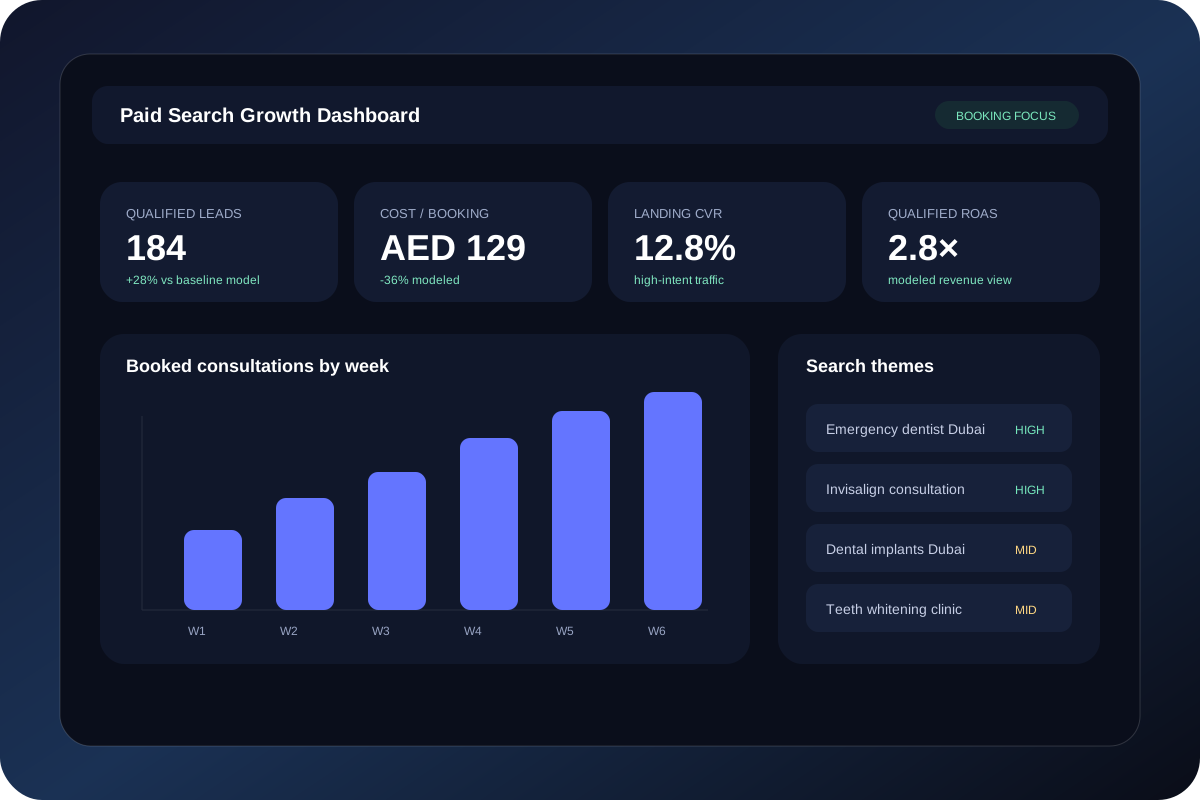
This is an original Qintora portfolio project. It is designed to show the level of strategy, implementation detail and deliverables a client can expect. Where percentages are shown, they are explicitly modeled targets rather than claimed client results.
The brief
This portfolio scenario is based on a Dubai clinic trying to grow consultation bookings for high-intent services such as implants, Invisalign and emergency dentistry. Instead of optimizing campaigns around form submissions alone, the system is structured around qualified consultations and booking quality.
What we would diagnose first
The audit looks at search-term waste, location leakage, device performance, call and WhatsApp attribution, page speed, treatment-page message match and the percentage of leads that actually become booked consultations. Negative keyword coverage and service-level conversion tracking are treated as first-week priorities.
What the growth sprint includes
Campaign structure is split by treatment intent, location radius and urgency. Each ad group points to a focused landing experience with social proof, clear treatment context, WhatsApp/call options and event tracking for meaningful actions rather than vanity clicks.
- Treatment-level keyword and negative-keyword architecture
- Search campaign + ad-message structure
- Conversion-focused landing-page wireframe
- GA4 / GTM event and call/WhatsApp attribution map
- Weekly qualified-lead optimization dashboard
Measurement model
The reporting layer separates media metrics from sales outcomes: spend, impression share and CPC are shown alongside qualified leads, booked consultations, show rate and estimated treatment value. That makes it possible to reduce spend on cheap-but-low-quality traffic.
Modeled outcome
The showcase model targets a 36% reduction in cost per booked consultation, a landing-page conversion rate around 12.8% on high-intent search traffic and a 2.8× qualified-revenue ROAS view. These are illustrative planning targets, not performance claims from a live clinic account.
What would change with real data
A real engagement would use the clinic's actual treatment margins, booking-team capacity, historical search terms and close rates. Budgets and target CPA would be set by service line, then revised after two to four weeks of qualified-lead data.